
What Does Climate-Smart Eating Look Like?
A vision for a climate smart future.
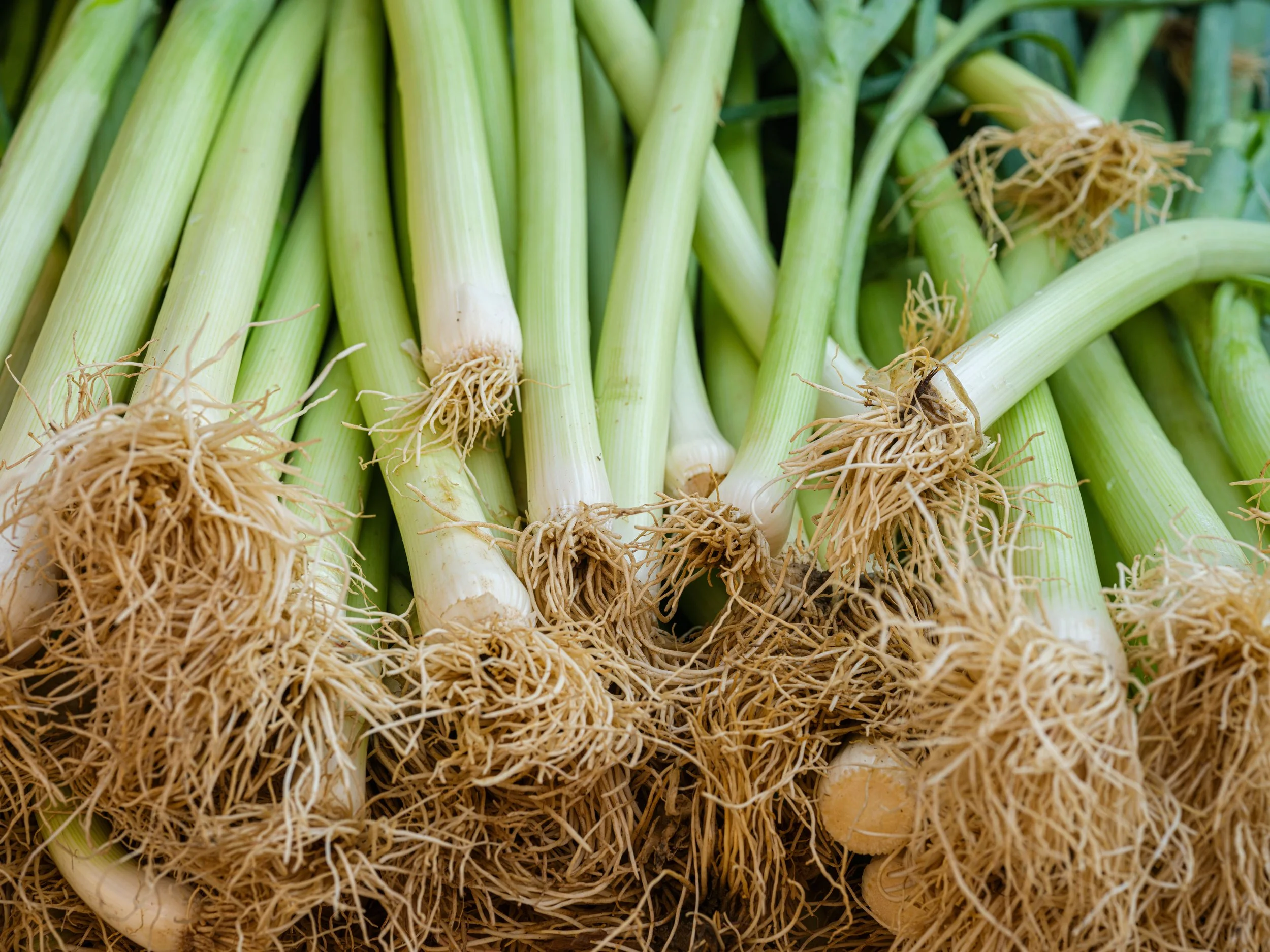
What We Would Eat
A greater diversity of foods that allow us to celebrate our heritages, our regions, and our ecosystems.
Beans and other legumes (lowest carbon footprint of common protein sources, culturally relevant in many cuisine types, and nutrient dense)
Whole grains (specifically those grains and cereals that can grow in drought conditions and are very easy for farmers to grow)
Leafy green vegetables (the most nutrient-dense food per calorie)
Sprouts (since they grow rapidly and have 2-3x the nutrient density compared with before being sprouted)
Nuts (specifically those with lower water footprints and grown in suitable agricultural areas)
Seaweed (can be grown almost anywhere, grows rapidly and freely) and algae
Cover crops (chaos gardens/the Milpa mix, i.e. peas, squash, radish, okra, melons, sweet corn, and other edible plants)
Seeds (offer nutrients that are hard to get from other foods)
Sustainable fish and seafood (certain species, caught in certain areas, raised in certain ways), including underloved/underutilized species and responsible aquaculture (including unfed marculture, i.e. bivalves)
Regeneratively-raised livestock, raised as a part of a sustainable ecosystem with managed grazing and regenerative ranching, eaten minimally
Seasonings and spices that are more local, diverse, and culturally relevant than the relatively small number used widely today
Indigenous foods and foodways
Seasonal and underloved produce (imperfect, twisted, bruised, unusually shaped, unusually sized, “ugly,” as well as lesser known varieties)
Scraps and upcycled food products
Heirloom, landrace, and local varietals: re-elevating items once beloved in a region (what was grown in an area and what disappeared--tied to both ethnicity and geography, including reflective on local terroir)
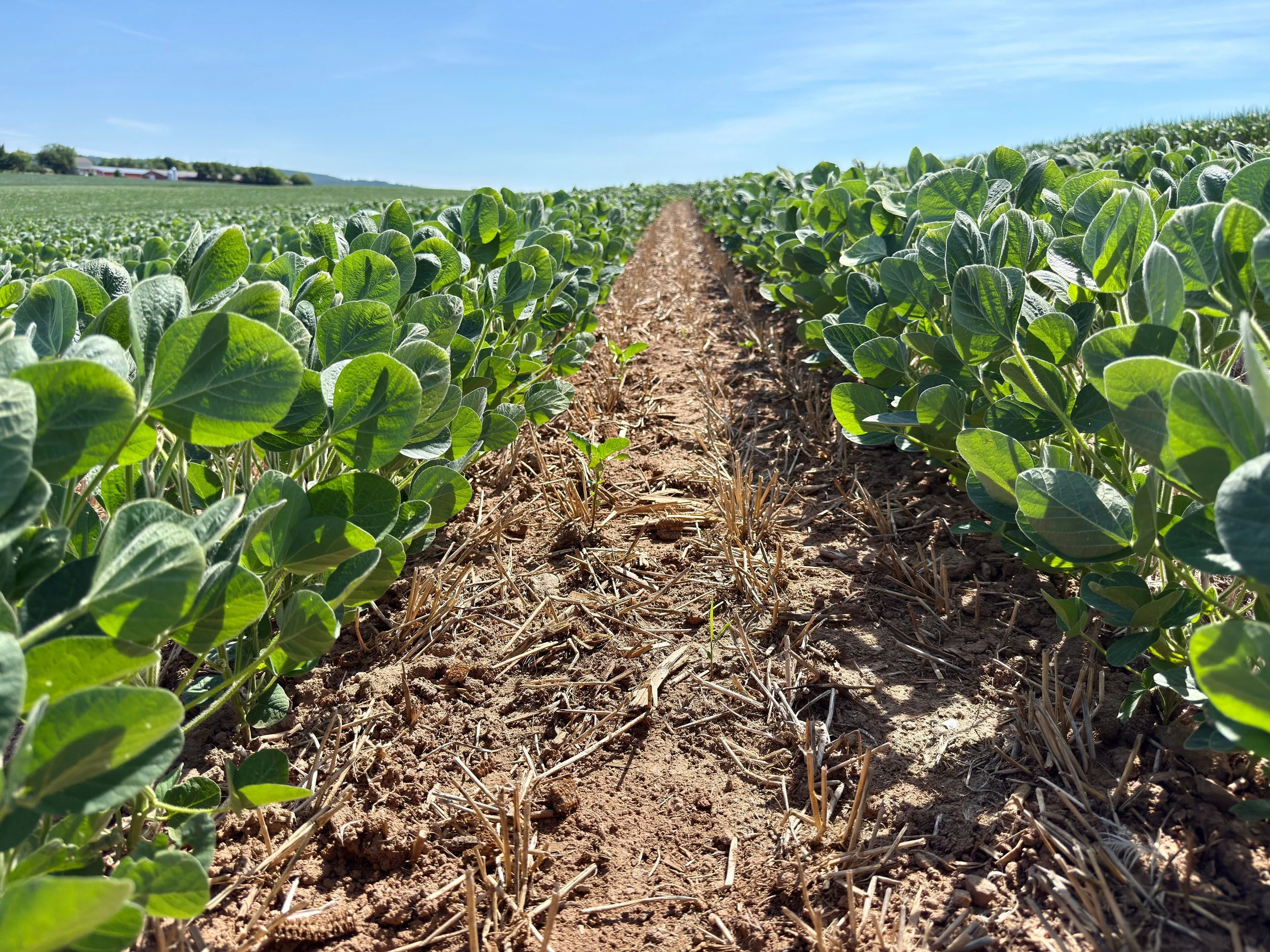
How Food Would Be Raised, Grown, or Produced
Through relationship-driven, socially just, transparent, regional, multi-local foodsheds and supply chains that reward farmers for practices that create nutrient-rich produce (and thus bend the curve on year-over-year soil erosion and increase organic matter in soil).
Inclusive, decentralized, and resilient: grown and raised by a more diverse, localized array of farmers and ranchers than the current industrial model
Regenerative (through composting, cover crops, crop rotation, and conservation tillage)
Without pesticidal inputs or synthetic fertilizers
Agroecological
Perennial
Biodynamic
Organic
Re-wilding, and creator harmony and balance between land used for agricultural production and surrounding ecology
High yield (to feed a growing population with minimal burden with respect to land use, ecosystem and habitat loss, and deforestation)
Generally not requiring a lot of water
Nutritious (benefiting human health, immune-boosting, offering personalized nutrition in the short term and disease prevention in the long term)
Through innovations in indoor agriculture
With minimal processing (closer to whole form when applicable)
Made with saved, rescued, or upcycled ingredients
Grown, raised, and processed by workers treated humanely and paid for the true value of their work (i.e., Fair Trade, Food Justice Certified, and other measures ensuring farmworkers’ rights; “do good/feel good”)
In ways that sequester carbon, fix nitrogen
Through managed grazing and regenerative ranching
Through diversified farming and polyculture
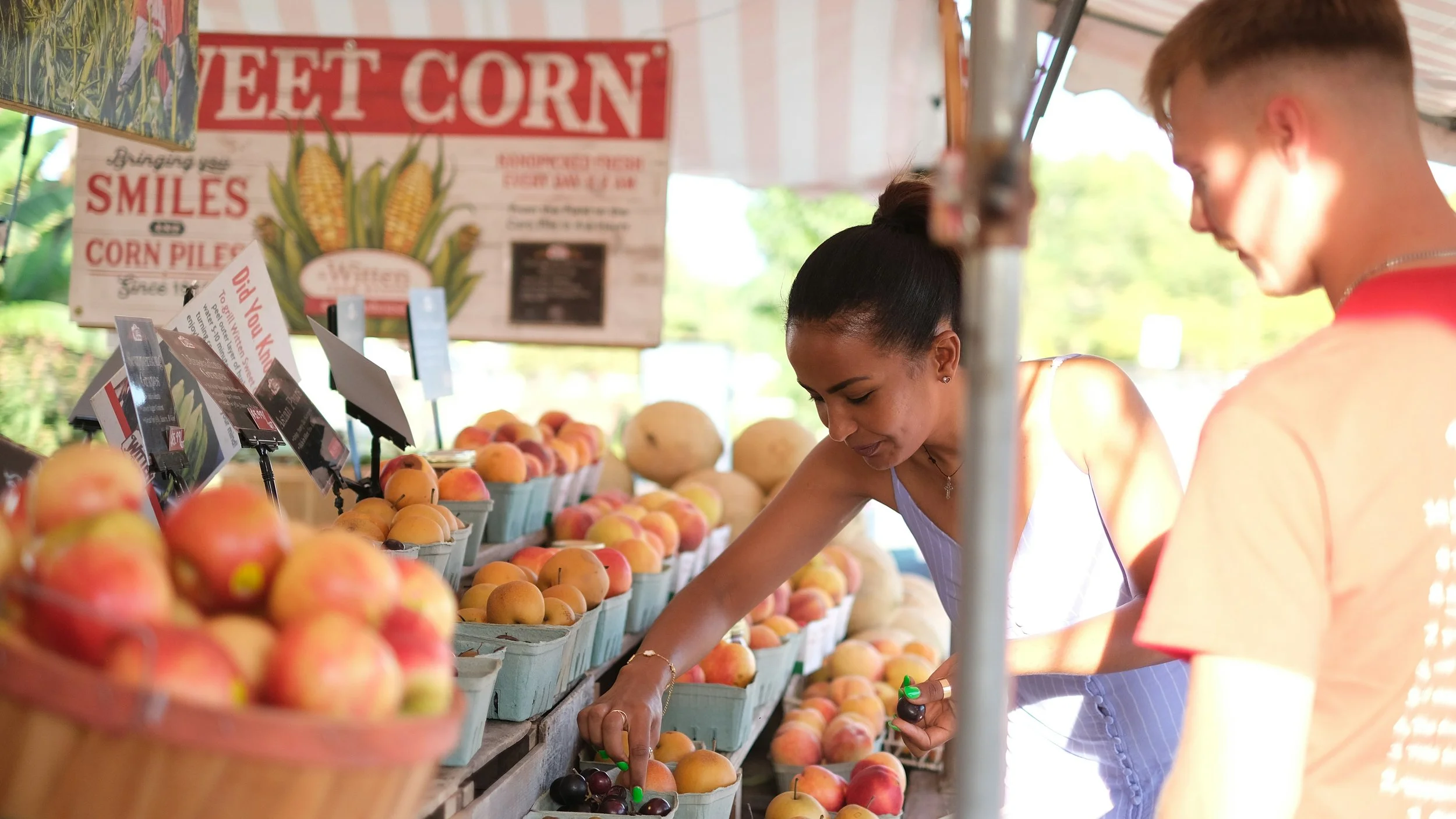
How Foods Would Be Purchased, Prepared, and Enjoyed
In-season foods that represent cultural diversity, including indigenous foodways, that respect people’s heritages, lifestyles, budgets, and personal preferences, and helps people feel empowered and connected.
In a given terroir
In bulk
Fermented
With minimal packaging
Packed and distributed in ways that are conscious of nutrient retention. Large companies may consider shorter shelf lives, and shorter cycles, if they preserve the original nutrients and flavors
In ways that encourage mindful eating and relaxation
In ways that afford confidence in the kitchen through hands-on, participatory food literacy acquisition and culinary skill development
Root to stem, whole plant utilization
Nose to tail, whole animal utilization
Whole farm utilization
In ways that increase population-level food security
In ways that at a minimum divert waste and increase food recovery, and at a maximum are circular
In ways that celebrate sustainably-raised animals as critical parts of a resilient ecosystem, consumed minimally and mindfully as flavoring agents and special occasion items
Interested in a deeper dive into the research behind these ideas? Here are the resources informing this vision:
Revisiting ocean acidification, food security and our earth system
United Nations Environment Programme
Growing Better: Ten Critical Transitions to Transform Food and Land Use
Food and Land Use Coalition
Principles of Healthy, Sustainable Menus
Menus of Change University Research Collaborative
Reducing Food Loss and Waste: Setting a Global Action Agenda
World Resources Institute
Growing popularity of alternate food systems for environment and health
United Nations Environment Programme
Cities and Circular Economy for Food
Ellen MacArthur Foundation
Edgy Veggies Toolkit
Menus of Change University Research Collaborative
Shifting Diets for a Sustainable Food Future
World Resources Institute
The State of the World’s Biodiversity for Food and Agriculture
Food and Agriculture Organization of the United Nations
Doughnut Economics for a Thriving 21st Century
Green European Journal
DISH Study
Menus of Change University Research Collaborative
Protein Scorecard
World Resources Institute
EAT-Lancet Commission Summary Report
EAT-Lancet Commission
Table of Solutions
Project Drawdown
Options for keeping the food system within environmental limits
Springmann et al.
Future 50 Foods
Knorr & World Wildlife Fund